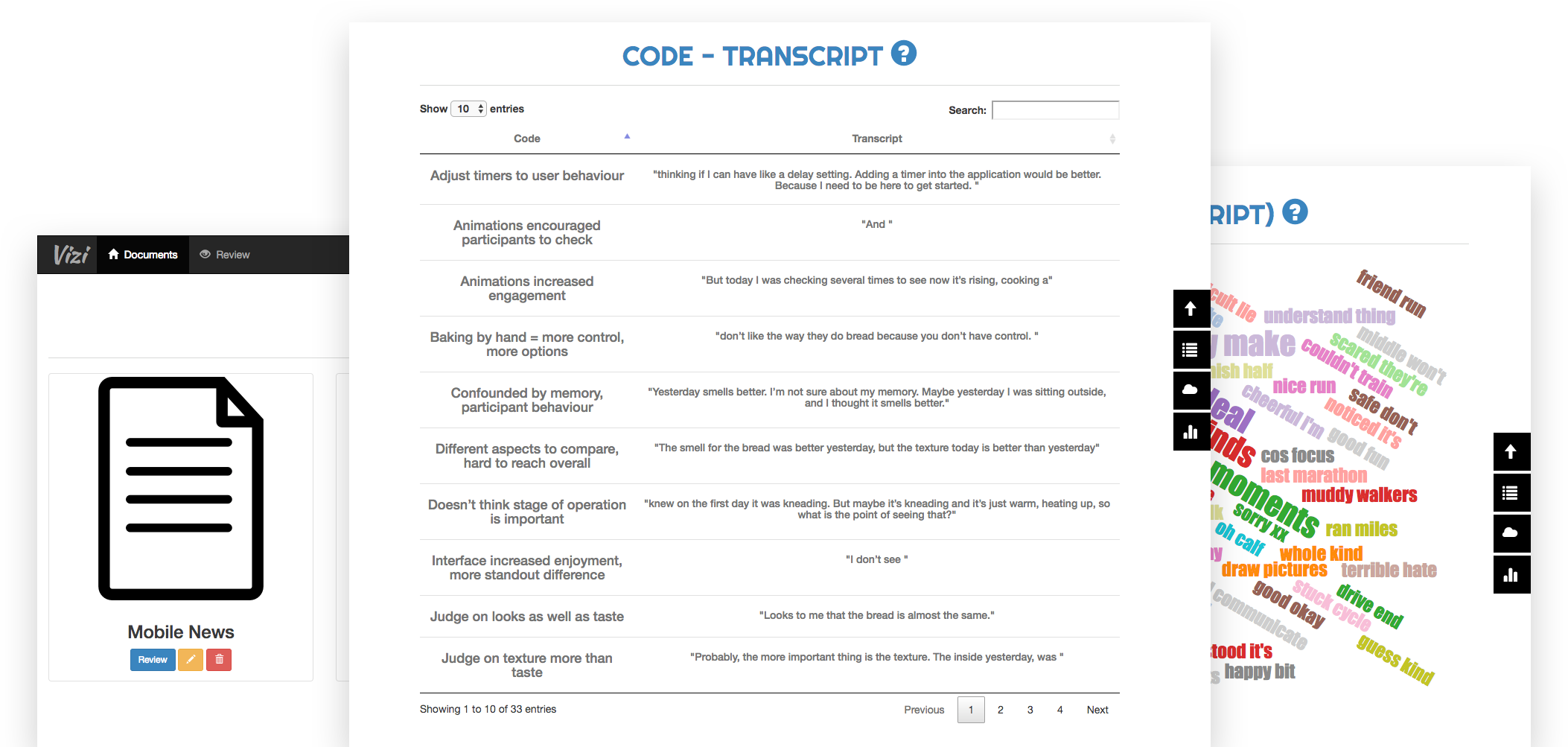
Vizi is a data analysis tool utilising the power of Natural Language Processing and data visualisations to allow users quickly glean at the most prominent patterns in a dataset. This design actively encourages researcher to explore, reflect, and cross-comparing quantitave patterns occurring in the dataset to their qualitative interpretation of this data, ultimately increasing reliability of the analysis without resulting to a secondary analysis by another researcher.
Qualitative data analysis (QDA) is a time-consuming process characterises by multiple iterations of coding with many layers of annotations attached to the data.
I led the end-to-end user research, product design, and the development and testing of the functional prototype for this project.
Popular QDA software such as Nvivo, Atlas and QDA Miner were examined to identify pain points and feature gap that Vizi could potentially address.
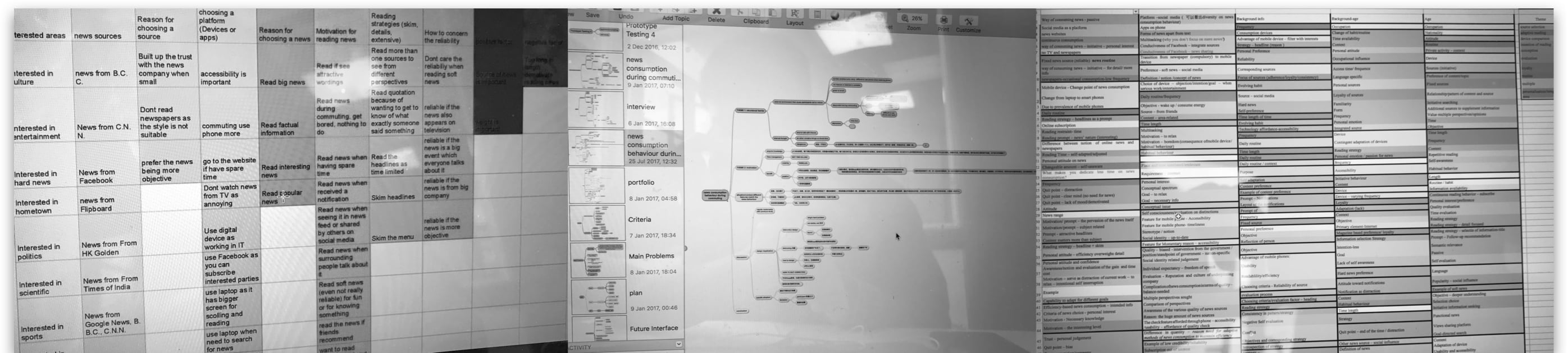
User research were conducted to gain an understanding of the needs and workflow characteristics of the target user group.
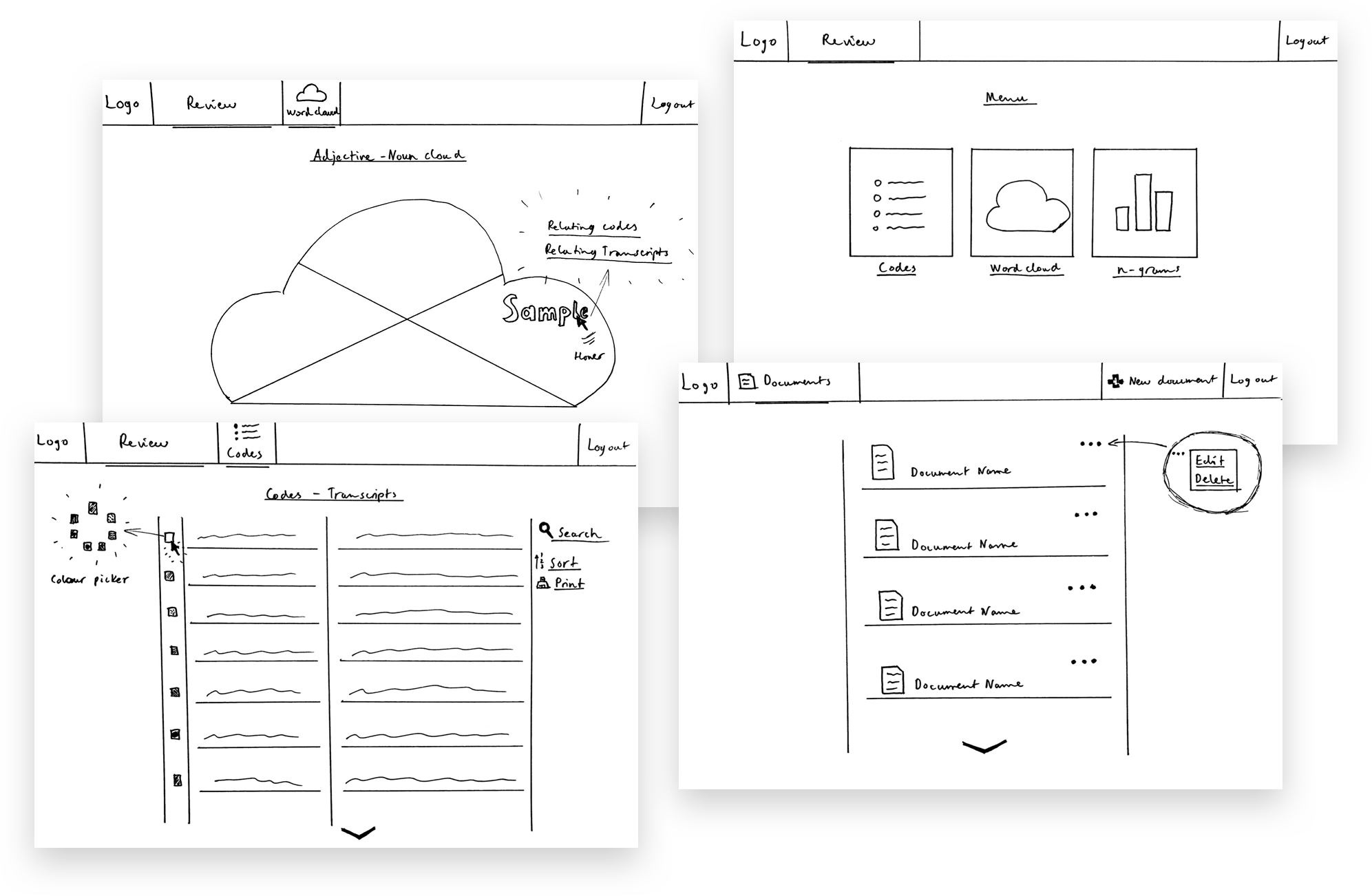
Low fidelity sketches of interface elements were generated to visualise potential solutions to identified problems.
A quick user research session was conducted with 2 users using conceptual mockups to validate design direction.
The user interface was further develope, finalising the product specifications.
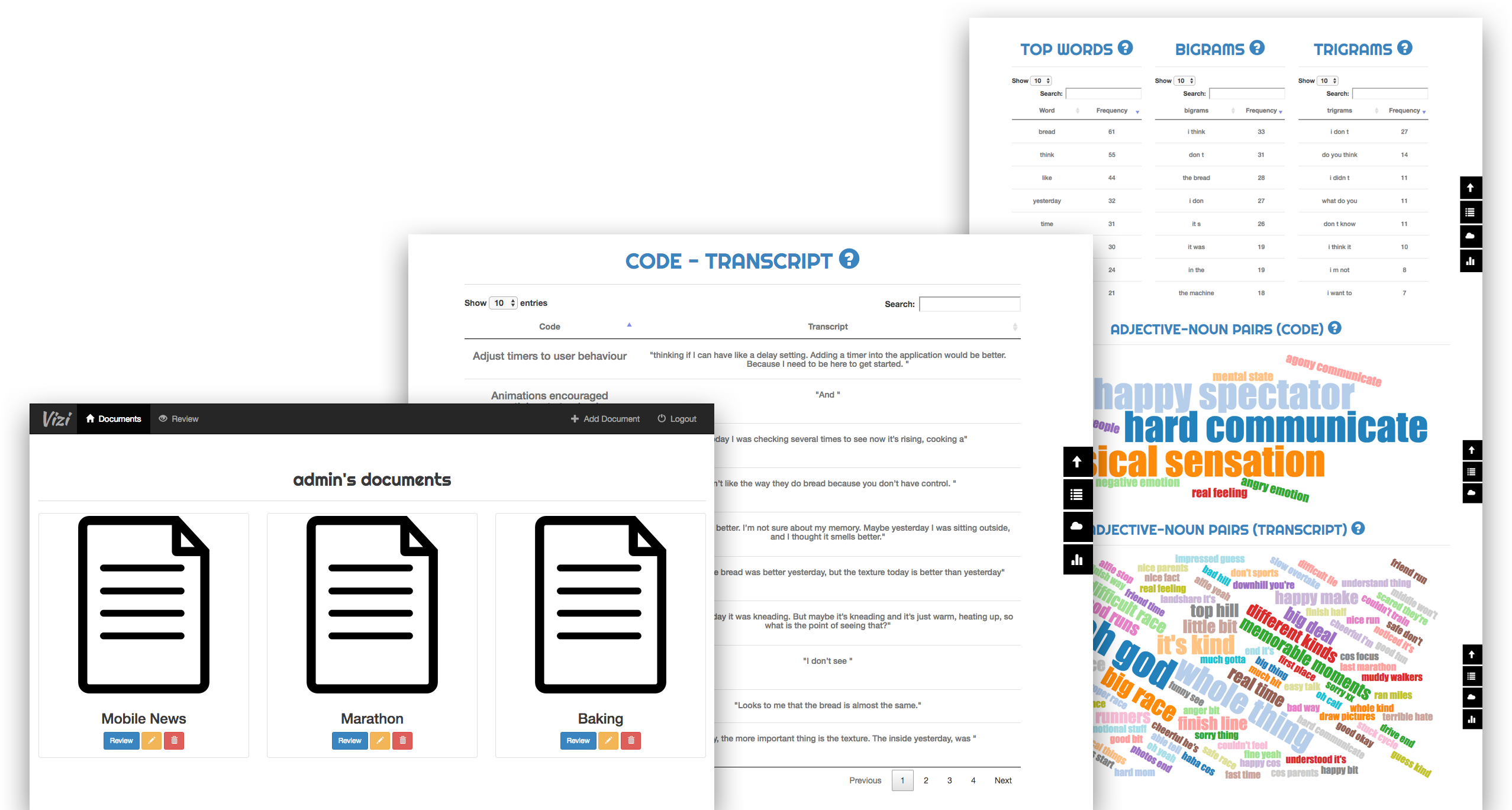
A funtional prototype of the web-app were developed, utilising the Django web-framework, a Python library for natural language processing (NLTK) and the D3 JavaScript library for data visualisation.
The funtional prototype were tested with 5 users for qualitative feedbacks to inform future development.
Qualitative data analysis is an activity that comprises multiple subtasks and stages, a unique combination of different tools is often adopted by researcher for each process. Each user has a unique workflow that worked best for them and a varying degree of preferences in the selection of tool to use at each stage. These tools are used interchangeably depending on the subtask, designing tools that allow users to easily adapt to existing workflow will be an important factor that encourages adoption.
Traditional QDA software provide user with an effective mean to organise and manage their research data, they are heavily focus on the initial stage of analysis and provide little support for the coding reviews and themes generation stages, a crucial stage to remove biases and improving reliability of analysis results.
While current QDA software packages offer a comprehensive set of functionalities for the analysis process, the majority of our participants still prefers to use an independent tool for each task due to their simplicity and efficiency. Visual organisation of codes supported by colour coding and keyword filtering are highly common techniques used by our participants during the coding process, however, these features are largely neglected in traditional QDA applications.
Vizi is designed specifically to support the coding reviews and themes generation stages of the analysis process. To accommodate the user existing workflows, Vizi automatically extracts and analyse data from the user’s coded transcripts. Additionally, the application also provide the user with effective and simple to use analysis tools such as colour coding and keyword filtering to help users visually explore and group code, extracting theme from the data directly in the application. Users can print or export this file in a chosen format to support the next stage of their research.
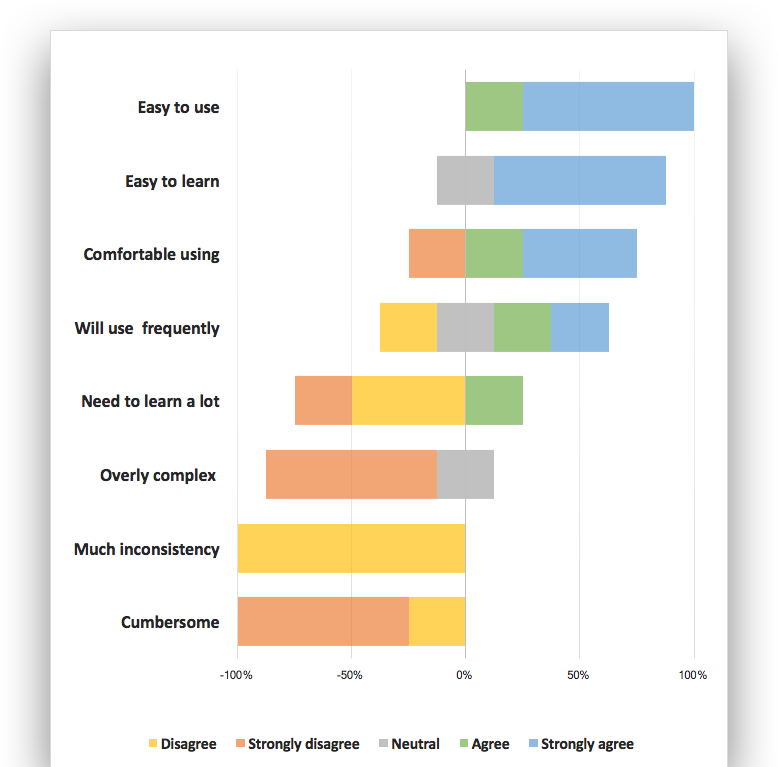
An evaluative user study of the functional prototype has showed that many users benefited from the intelligent and summative data visualisations Vizi provided. Participants found the visualisations generated with the help of natural language processing to be much more useful and informative than those generated without these supports, many found this feature to be helpful with the themes generation process. Users also responded positively to the simplicity of the application, allowing them to easily learn and integrate this tool into their existing workflow.